
Media Buying
What Does a Media Buyer Do?
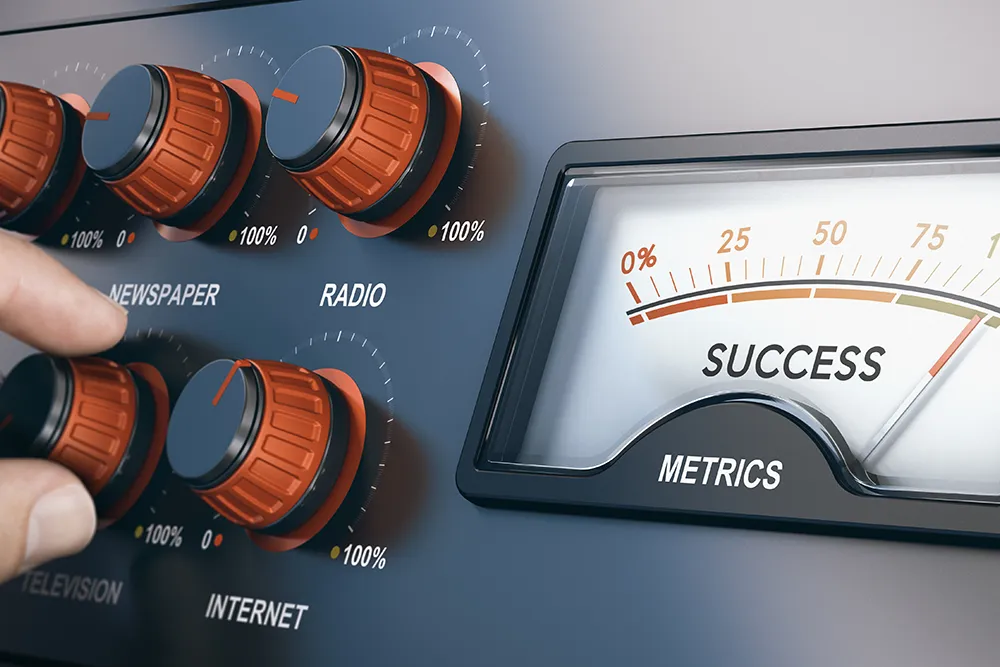
In today's complex advertising landscape, a media buyer is the strategic architect behind campaigns that deliver measurable results. They operate at the critical intersection of marketing strategy, audience targeting, and budget optimization to ensure your message reaches the right people at precisely the right moment—whether through broadcast television, radio, print, outdoor advertising, or emerging channels like OTT/OTV.
Media buyers don't just purchase ad space—they orchestrate comprehensive campaigns across multiple platforms, negotiate favorable rates, analyze performance data, and continuously refine strategies to maximize return on advertising investment. In an era where advertising options span both traditional and streaming channels but audience attention is increasingly fragmented, skilled media buyers have become indispensable partners for businesses of all sizes.
But what specific responsibilities do today's media buying services handle, and how can their expertise directly impact your business objectives? This comprehensive guide explores the evolving role of media buyers in modern advertising, their day-to-day responsibilities, and the tangible value they bring to campaigns across the complete media spectrum.
What Exactly is a Media Buyer?
A media buyer is a specialized marketing professional who is the critical link between advertisers and media outlets. Their expertise is strategically purchasing and placing advertising across multiple channels—television, radio, OTT/OTV platforms, print publications, outdoor displays, and more. Beyond buying ad space, today's media buyers blend art and science to maximize campaign impact while optimizing advertising budgets.Core Responsibilities of Media Buyers:
- Audience Research & Analysis: Identifying where target demographics consume media when they're most receptive and which formats drive the strongest engagement
- Strategic Media Planning: Developing comprehensive media plans that align with marketing objectives, seasonality, and competitive landscapes
- Rate Negotiation & Value-Added Benefits: Leveraging relationships and market knowledge to secure optimal pricing, premium placements, and bonus exposures
- Cross-Channel Campaign Orchestration: Coordinating synchronized messaging across multiple media touchpoints for maximum audience impact
- Performance Monitoring & Optimization: Continuously analyzing campaign metrics against benchmarks and making real-time adjustments
- Post-Campaign Analysis: Delivering in-depth reporting that connects media investment to tangible business outcomes
Why Media Buying Matters for Your Business
Strategic media buying can be the difference between an advertising campaign generating significant returns and simply consuming a budget with minimal impact. In today's fragmented media landscape, expert media buyers deliver three critical advantages that directly affect your bottom line:Cost Efficiency That Maximizes Your Budget
Professional media buyers leverage industry relationships, buying power, and negotiation expertise to secure rates often 15-30% below standard rate card pricing. This efficiency extends your campaign reach without requiring additional investment and can include valuable add-ons like premium placements or bonus impressions that wouldn't be available through direct purchasing.Precision Targeting That Reaches Decision-Makers
According to research published in ScienceDirect, campaigns with strategically optimized media placements based on audience data can achieve up to 30% higher engagement rates. Professional media buyers use sophisticated audience insights to place your message in environments where your target audience is most receptive, eliminating wasted impressions on viewers unlikely to convert.Performance Optimization That Drives Results
Media buyers don't just launch campaigns—they continuously monitor performance metrics and make real-time adjustments to improve outcomes. This optimization ensures your campaign improves throughout its flight, with underperforming placements quickly identified and budgets reallocated to top performers. Real-World Impact: Consider a regional furniture retailer targeting new homeowners. Rather than broadly advertising across general media, a skilled media buyer might create a strategic mix of:- Targeted OTT/CTV advertising during home improvement programming
- Radio spots during morning and evening commute hours
- Strategically placed outdoor advertising near new housing developments
- Print insertions in special home editions of local publications
Key Skills and Qualities of a Successful Media Buyer
Behind every high-performing advertising campaign stands a skilled media buyer whose expertise directly impacts marketing ROI. The most effective media buyers combine technical knowledge with interpersonal abilities and industry experience:Essential Media Buyer Competencies
- Strategic Negotiation Expertise: Elite media buyers leverage market knowledge and relationships to secure premium placements, favorable rates, and value-added opportunities that extend campaign reach without additional cost.
- Data-Driven Analysis: Successful media buyers interpret complex performance metrics across different media channels, transforming raw data into actionable insights that continuously improve campaign performance.
- Deep Audience Understanding: They possess an intuitive grasp of demographic behavior patterns, media consumption habits, and purchasing triggers that allow them to place messages where they'll generate maximum response.
- Cross-Channel Orchestration: Top media buyers understand how different media channels complement each other, creating synchronized campaigns where TV, radio, OTT, outdoor, and print work together to reinforce messaging.
- Market Intelligence: They maintain comprehensive knowledge of media pricing trends, seasonal opportunities, and competitive activity that enables them to identify advantageous buying windows.
- Forecasting Accuracy: Experienced media buyers can reliably project campaign outcomes based on historical performance data, allowing for more precise budget allocation.
- Relationship Management: They cultivate strong partnerships with media representatives, often translating into preferential treatment, early access to premium inventory, and negotiation leverage.
- Adaptability: As new channels emerge and audience behaviors evolve, successful media buyers continuously expand their expertise beyond traditional media to incorporate innovations like addressable TV, streaming audio, and advanced OTT targeting.
The Media Buying Process
Media buying is a methodical, data-driven process that transforms advertising goals into tangible results. While each campaign requires customization based on specific objectives, target audiences, and available budgets, successful media buying typically follows these key phases:1. Strategic Discovery & Goal Definition
The process begins with a comprehensive analysis of advertising objectives, target audience characteristics, competitive positioning, and budget parameters. Media buyers work to understand:- Primary and secondary campaign objectives (awareness, consideration, conversion)
- Detailed audience demographics, psychographics, and behavioral patterns
- Seasonal factors and market conditions that might impact performance
- Previous campaign performance data and learnings
2. Media Landscape Analysis
Media buyers conduct thorough research to identify the optimal channels and timing:- Audience media consumption patterns across traditional and emerging platforms
- Competitive activity analysis to identify saturation and opportunity areas
- Media pricing trends to determine cost-efficient buying windows
- Content environment assessment to ensure brand safety and relevance
3. Strategic Planning & Allocation
Based on discovery and research findings, media buyers develop a comprehensive plan:- Channel mix recommendations with specific allocation percentages
- Flight timing strategies accounting for seasonality and market conditions
- Frequency and reach projections to ensure optimal audience exposure
- Targeting parameters for each selected medium
- Performance benchmarks and success metrics for ongoing evaluation
4. Negotiation & Placement Securing
With approved plans, skilled negotiation becomes critical:- Rate negotiations utilizing market knowledge and buying leverage
- Value-added opportunities beyond standard rate card offerings
- Premium positioning to maximize audience attention
- Flexible cancellation terms to allow for performance-based optimization
- Contract finalization and delivery specification confirmation
5. Launch & Optimization Management
Throughout the campaign, continuous monitoring and adjustment are essential:- Real-time performance tracking against established KPIs
- Comparative analysis between different placements and creative executions
- Budget reallocation from underperforming to high-performing placements
- Optimization of dayparts, programming, or contextual environments
- Regular reporting and analysis of performance trends
6. Post-Campaign Analysis
After completion, comprehensive evaluation informs future strategies:- Full performance assessment against initial objectives and benchmarks
- ROI analysis comparing different channels and tactics
- Audience response insights to refine future targeting
- Recommendations for subsequent campaigns based on learnings
How Media Buyers Use Data to Maximize ROI
Data has transformed from a supplementary tool to the cornerstone of effective media buying in today's media landscape. Professional media buyers leverage sophisticated data analysis to guide every decision throughout the campaign lifecycle, ensuring measurable performance improvements and accountability for advertising investments.Strategic Data Applications in Media Buying
Audience Discovery: Media buyers analyze demographic, psychographic, and behavioral data to identify where target audiences consume media, when they're most receptive to messaging, and which formats generate the best engagement. Competitive Intelligence: By tracking competitive spending patterns and placement strategies, media buyers identify strategic opportunities for brand differentiation and cost-efficient market entry points. Performance Optimization: Real-time campaign data allows buyers to refine placements, adjusting factors continuously- Daypart distribution to align with audience engagement patterns
- Geographic allocation based on response rates
- Placement types that demonstrate superior conversion metrics
- Creative rotation to combat audience fatigue
Common Challenges in Media Buying (and How Experts Solve Them)
Media buying professionals navigate numerous challenges to deliver successful campaigns. Understanding these obstacles and their solutions helps advertisers appreciate the value that experienced media buyers bring to the advertising process:Budget Constraints
Challenge: Limited budgets can restrict access to premium placements and sufficient audience reach, particularly in competitive markets. Expert Solution: Skilled media buyers overcome budget limitations through:- Strategic negotiation techniques that leverage timing, market knowledge, and volume commitments
- Flight pacing adjustments that concentrate impact during optimal response periods
- Creating "share of voice" dominance in select high-impact environments rather than minimal presence across many
- Identifying undervalued media opportunities with strong audience alignment but lower demand
Fragmented Media Landscape
Challenge: The proliferation of channels, platforms, and formats creates complexity in developing cohesive, efficient campaigns. Expert Solution: Media buyers address fragmentation by:- Developing unified cross-channel strategies that integrate traditional and emerging media
- Employing consistent measurement frameworks across diverse platforms
- Creating synchronized messaging cadences that reinforce campaign themes across touchpoints
- Building comprehensive attribution models that track the customer journey across channels
Advanced Measurement Challenges
Challenge: Connecting media investments to business outcomes remains difficult, particularly with traditional broadcast media. Expert Solution: Sophisticated buyers implement:- Multi-touch attribution methodologies that credit appropriate influence to each channel
- Incrementality testing to isolate true campaign impact
- Geo-experimental designs that establish causation rather than correlation
- Baseline analysis that accounts for seasonal and market variables
Ad Fraud and Viewability Concerns
Challenge: According to industry research, ad fraud accounted for approximately $42 billion in wasted global advertising spend in 2019, with issues continuing to evolve. Expert Solution: Professional media buyers protect investments through:- Implementation of third-party verification tools across digital channels
- Inclusion of contractual safeguards with guaranteed viewability metrics
- Development of "allowlist" approaches that limit exposure to verified publishers
- Regular audit processes that identify suspicious patterns in performance data
- Ongoing education about emerging fraud techniques and preventative measures
Maintaining Brand Safety
Challenge: Ensuring advertisements appear in inappropriate content environments that align with brand values. Expert Solution: Media buyers establish protection through:- Content categorization protocols that prevent placement alongside controversial material
- Real-time monitoring systems that allow immediate placement adjustment
- Contextual targeting strategies that align messaging with relevant content
- Direct publisher relationships that provide greater control over the placement environment
Take Your Advertising to the Next Level With Expert Media Buying
Understanding media buyers' pivotal role in advertising success can transform marketing outcomes. These specialized professionals represent the critical bridge between your business objectives and effective media placement strategies that deliver measurable returns. A sophisticated media buying approach—whether implemented through an in-house specialist or a professional ad agency—provides several competitive advantages:- Strategic Efficiency: Professional media buyers stretch advertising budgets further through negotiation expertise and strategic placement selection
- Audience Precision: Their deep understanding of media consumption patterns ensures your message reaches decision-makers when they're most receptive
- Cross-Channel Integration: Expert buyers create synchronized campaigns where different media channels reinforce each other for maximum impact
- Continuous Optimization: Data-driven performance monitoring allows for real-time adjustments that continuously improve results
- Risk Mitigation: Their experience helps navigate potential pitfalls, including ad fraud, placement inefficiencies, and market fluctuations


Let's talk
Let Actuate Media be your competitive advantage.
Tell us about your business and your goals. We'll send back a free, no-obligation proposal — usually within two business days.
Call us
888-810-0708